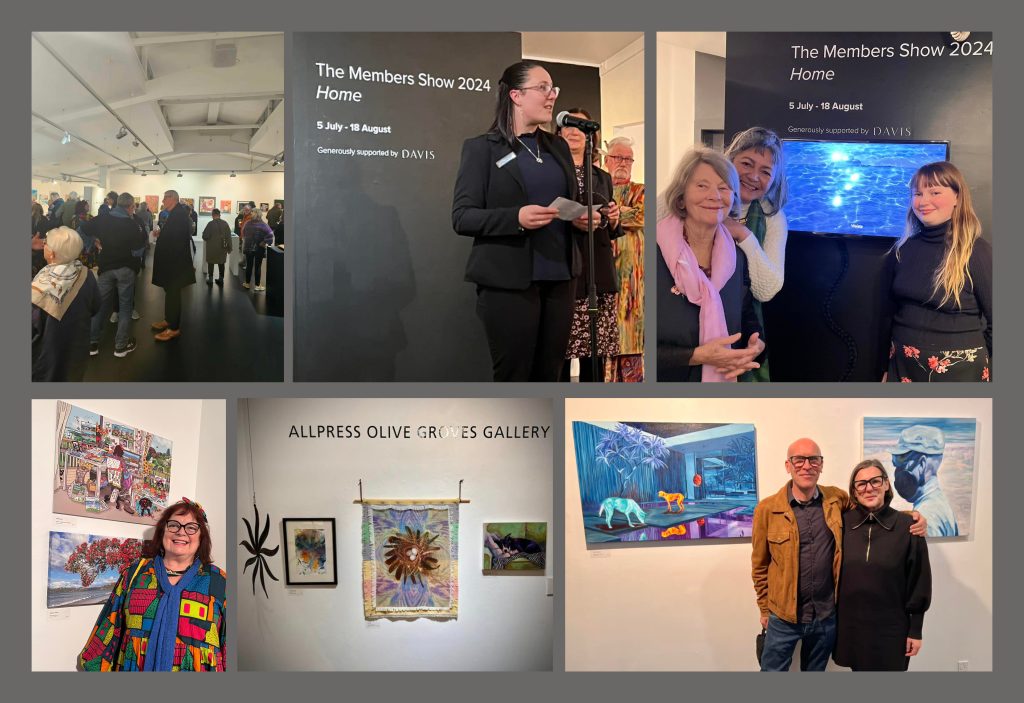
Davis Funeral Care renews sponsorship of the Waiheke Community Art Gallery
From
With a long association, assisting the community and families in Waiheke at their times of need, Davis Funerals were delighted to renew and reinvigorate our support and sponsorship of the Waiheke Community Art Gallery, and the Members Show which opened on Friday night. This year’s theme was “Home” and showcased a stunning, beautiful exhibition of colour, a variety of mediums, with some pieces thought provoking, some humorous and much more! We were excited to attend the opening event and mingle with the talented artists who had work on display.
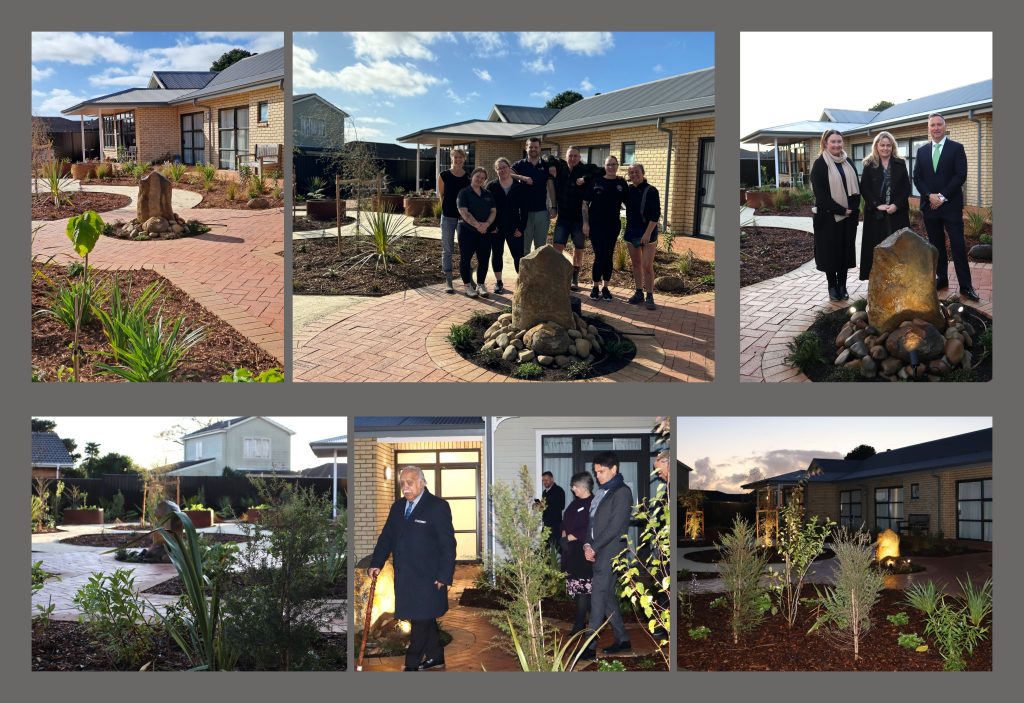
Supporting Hospice West Auckland’s Rongoā Garden
From
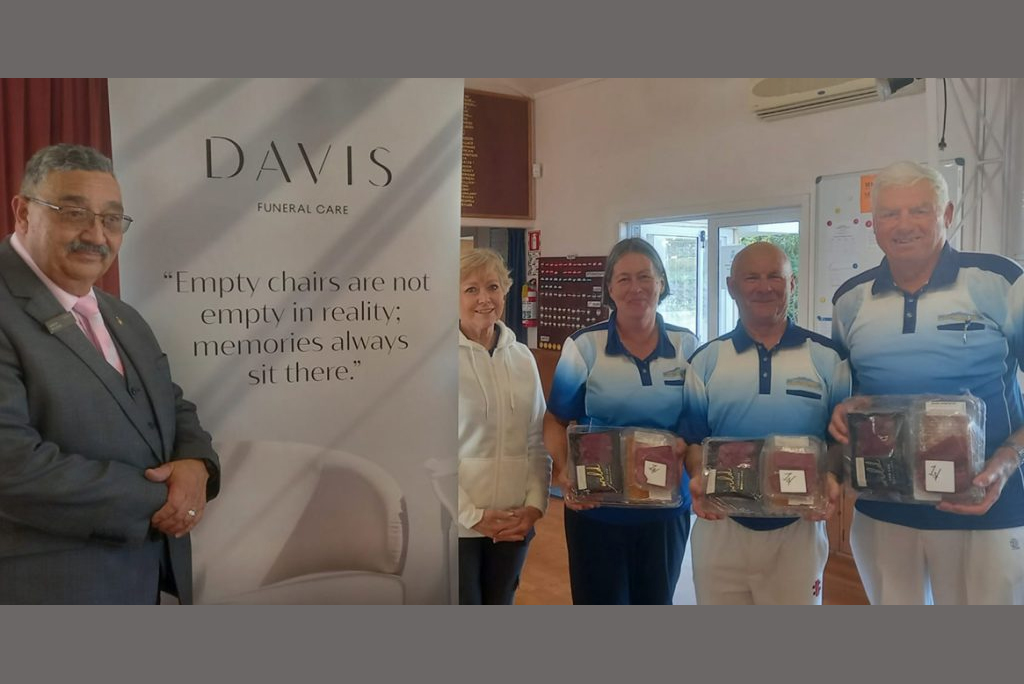
Davis Funeral Care: Celebrating Community and Sportsmanship at the Lawn Bowls Event
From
In the heart of New Zealand’s vibrant community life, sporting events are more than just competitions; they are gatherings that bring people together in the spirit of camaraderie and fun. Davis Funerals, a name synonymous with care and community support in New Zealand, once again demonstrated their commitment to local activities by proudly sponsoring a lawn bowls event on October 17. The event, marked by perfect weather and spirited competition, was not only about the wins but also about celebrating community connections and sportsmanship.
A Day of Perfect Lawn Bowls
The event was a perfect example of what makes lawn bowls such a cherished sport in New Zealand. The sunny weather provided an ideal backdrop for the players and spectators alike, creating an atmosphere of relaxation and enjoyment. Martin Williams from Davis Funerals had the pleasure of attending the event, reveling in the community spirit and the skillful play on display.
Celebration of Winners and Community
The event was not just about playing; it was a celebration of skill, strategy, and camaraderie. The spotlight shone on the triumphant trio from St Heliers Bowling Club – Donna Davison, Gavin Baker, and Graeme Lill – who emerged victorious after a day of competitive play. Their achievement was a testament to their dedication to the sport and their ability to work as a cohesive team.
More Than Just a Game
Apart from the thrill of the game, the event also catered to the attendees’ love for good food. Meat lovers had a reason to rejoice as custom packs from New World Stonefields Butchery were up for grabs, adding an extra layer of excitement to the day’s proceedings. It was these small additions that turned the lawn bowls event into a holistic experience, merging sports with social enjoyment.
Davis Funerals: A Pillar in the Community
Davis Funerals’ sponsorship of the event is reflective of their deep-rooted belief in being an integral part of the community they serve. By supporting local events like these, they foster a sense of unity and engagement, which is crucial in building strong, supportive communities. Their presence at such events goes beyond mere sponsorship; it is a demonstration of their commitment to being there for people, not just in times of grief but also in moments of joy and celebration.
Looking Forward to More Sunny Days and Fun Games
As the lawn bowls event concluded, there was a unanimous feeling of anticipation for more such days – filled with fun games, friendly competition, and community bonding. Davis Funerals extends their warm congratulations to the winners and participants and invites the community to stay updated on future events.
Conclusion
Davis Funerals is more than a funeral service provider; they are a cornerstone of community support and engagement in New Zealand. Their involvement in events like the lawn bowls competition showcases their dedication to bringing people together, in both solemn and joyous times. For more information on Davis Funerals’ services and their community involvement, or to keep up with the lively political banter and announcements for the next round of lawn bowls, visit Kohimarama Bowling Club. Here’s to many more sunny days and fun games ahead, with Davis Funerals cheering alongside the community every step of the way!
Davis Funeral Care: Deepening the Bond with Music and Community in Auckland
From
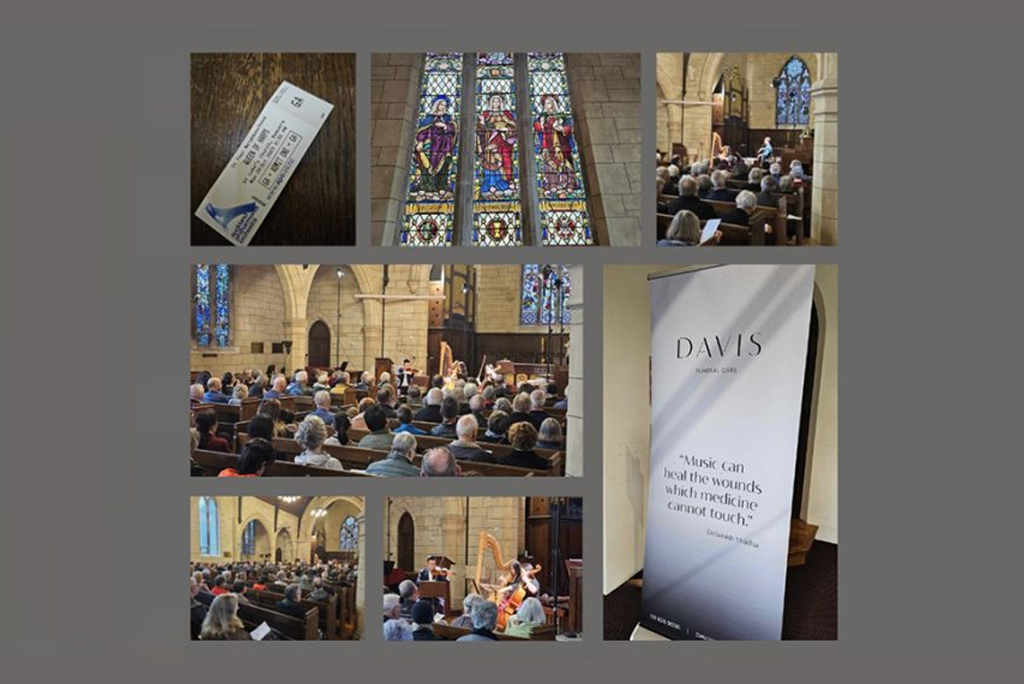
Davis Funerals in New Zealand, known for its deep commitment to the community and the arts, recently marked a significant milestone in its ongoing partnership with the Auckland Philharmonia Orchestra. On October 9th, at the enchanting event at St. Lukes Presbyterian Church in Remuera, Davis Funerals not only sponsored a mesmerizing performance by the “Queen of Harps” but also made a heartfelt announcement that resonated deeply with the audience.
An Evening of Musical Enchantment and Significant Announcements
The concert, held at the picturesque St. Lukes Presbyterian Church, was more than just an evening of music; it was a celebration of life, art, and the unifying power of music. The performance by the “Queen of Harps” was met with appreciation and admiration, offering the audience a moment of tranquillity and reflection. But the highlight of the evening was the keynote address by a representative from Davis Funerals, who shared an exciting development in their partnership with the Auckland Philharmonia Orchestra.
Celebrating 13 Years of Partnership and Looking Forward
Mike Powell the Davis Funeral General Manger was greeted with rapturous applause from the packed church, as he confirmed the extension of their sponsorship with the Auckland Philharmonia Orchestra for a further year, marking the 13th year of this fruitful partnership. This extension is a testament to Davis Funerals’ unwavering commitment to enriching the community through music. It also ensures the continuation of the beloved “In Your Neighbourhood” series and other community-oriented programmes that have brought classical music into the hearts and lives of Auckland’s residents.
The ‘In Your Neighbourhood’ Series: A Symbol of Community Engagement
The ‘In Your Neighbourhood’ series, a cornerstone of the partnership between Davis Funerals and the Auckland Philharmonia Orchestra, has been pivotal in making high-quality classical music accessible to a wider audience. These performances, held in various neighbourhoods, underscore the ethos of Davis Funerals – to provide solace, joy, and a sense of connection, particularly during challenging times.
Music as a Healing Force
Understanding that music can be a powerful medium for healing and comfort, Davis Funerals supports these musical initiatives as part of their holistic approach to caring for the community. The melodies and harmonies of classical music offer more than entertainment; they bring peace, comfort, and a sense of communal healing, aligning with Davis Funerals’ mission to support individuals and families in their most challenging moments.
Gratitude and Invitation to the Community
Davis Funerals extends heartfelt gratitude to the community for their continued support and for joining them in these musical journeys. They see their role not just as funeral service providers but as active contributors to the community’s cultural and emotional well-being.
Conclusion
As Davis Funerals looks forward to more years of partnership with the Auckland Philharmonia Orchestra, they invite the community of Auckland to join them in experiencing the transformative power of music. This commitment to supporting the arts, particularly music, is an integral part of their dedication to caring for families and individuals in their times of need. To learn more about their upcoming events and services, visit Davis Funerals, and become part of a community where compassion, culture, and care harmoniously intertwine.
St Lukes- https://stlukes.org.nz/events/
Davis Funeral Care: Bridging Palliative Care and Funeral Services for Compassionate Continuity in NZ
From
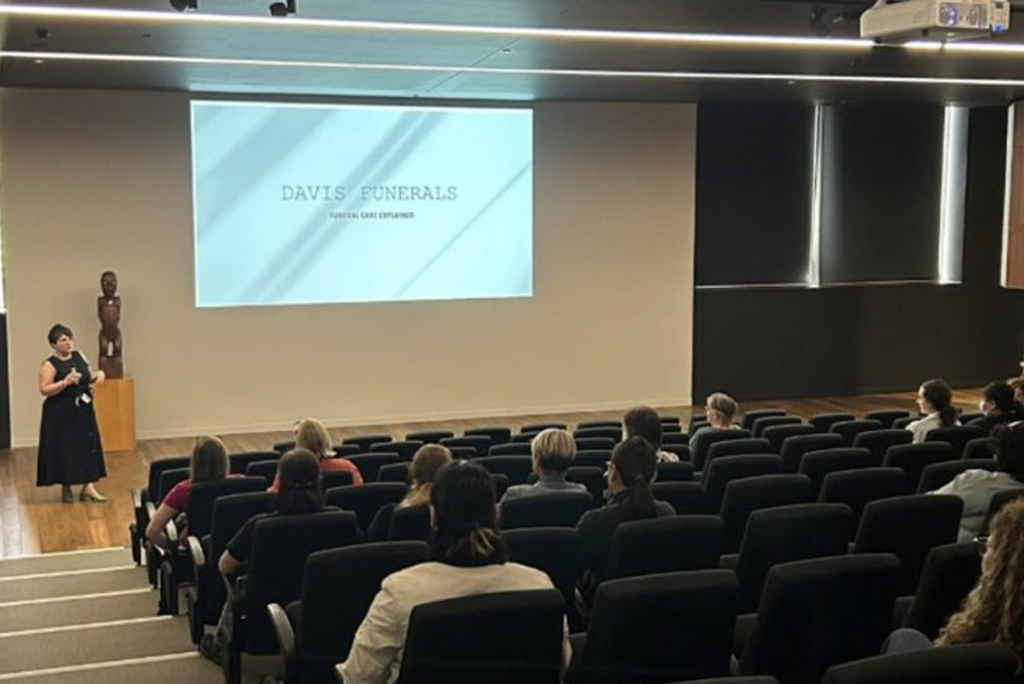
Davis Funerals, a well-respected name in New Zealand’s funeral services, recently had the honor of participating in a significant event that highlights their commitment to compassionate care. Mike and Karen from Davis Funerals attended a joint Te Whatu Ora Waitemata and Hospice West Auckland Palliative Care study day at North Shore Hospital. This gathering underscored the crucial collaboration between palliative care professionals and funeral service providers, a partnership that Davis Funerals deeply values.
The Importance of Collaboration in End-of-Life Care
The study day was a congregation of about 90 attendees, primarily community nurses dedicated to providing end-of-life care. Mike’s presentation to this audience was not just a professional engagement but a reflection of Davis Funerals’ dedication to being an integral part of the continuum of care. This event offered a unique platform for discussing how palliative care teams and funeral service providers can collaborate more effectively.
Working Together for Better Outcomes
The focus of the discussion revolved around optimising the transition from palliative care to funeral services. This transition is a critical phase where the sensitivity and understanding of funeral service providers like Davis Funerals come into play. The aim is to ensure seamless and dignified care that extends beyond the patient’s life, honoring their memory while supporting their families during a challenging time.
Understanding Cultural and Religious Needs
New Zealand’s cultural diversity calls for funeral services that are both respectful and accommodating of various cultural and religious practices. Davis Funerals prides itself on its ability to cater to these diverse needs. The study day was an excellent opportunity for them to showcase their expertise in this area, reinforcing their role as a funeral service provider that deeply respects and understands the varied cultural tapestry of New Zealand.
Davis Funerals: A Name Synonymous with Compassionate Care
Davis Funerals has long been recognised for its empathetic and personalised approach to funeral services. Their participation in events like the study day at North Shore Hospital is a testament to their commitment to continuous learning and collaboration. It’s this commitment that enables them to provide services that are not just professional but also deeply caring and respectful of the wishes of both the deceased and their families.
Continued Education and Community Engagement
By engaging in educational and community events, Davis Funerals stays at the forefront of best practices in funeral services. Their involvement in the palliative care community ensures that they are well-equipped to handle the needs of families during the most difficult of times. They understand that the care provided by nurses and medical professionals during the final stages of life is complemented by the dignified and thoughtful services they offer.
Conclusion
Davis Funerals is more than just a funeral service provider; they are a crucial part of the community in New Zealand, offering support and care during life’s most challenging moments. Their approach goes beyond the standard practices, embracing the emotional and cultural nuances that make each service unique. For those seeking a funeral service provider that offers compassion, dignity, and a deep understanding of diverse needs, Davis Funerals stands out as a premier choice. Learn more about their services and commitment to compassionate care at Davis Funerals.
Helping out Holy Cross Church Papatoetoe
From
Earlier this year a laptop used in the Holy Cross Church Papatoetoe to project media and other items for the Church parishioners was unfortunately stolen from the church.
Davis Funerals was made aware of this and quickly moved to donate a replacement laptop to assist the Parish.
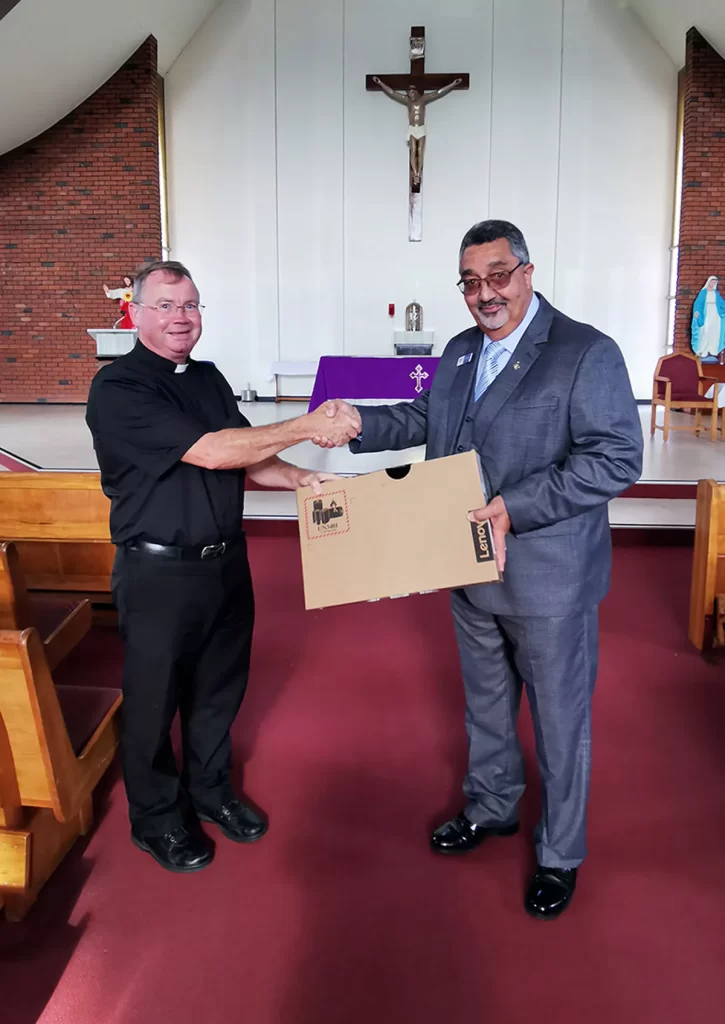
Here we see Father Andrew, Parish Priest of Holy Cross Church Papatoetoe, being presented with a replacement laptop by Martin Williams, Branch Manager Davis Funerals Papatoetoe.
Says Martin, “We at Davis Funerals are very much focused on our community, and were were more than happy to step in and offer this assistance when it was needed”.
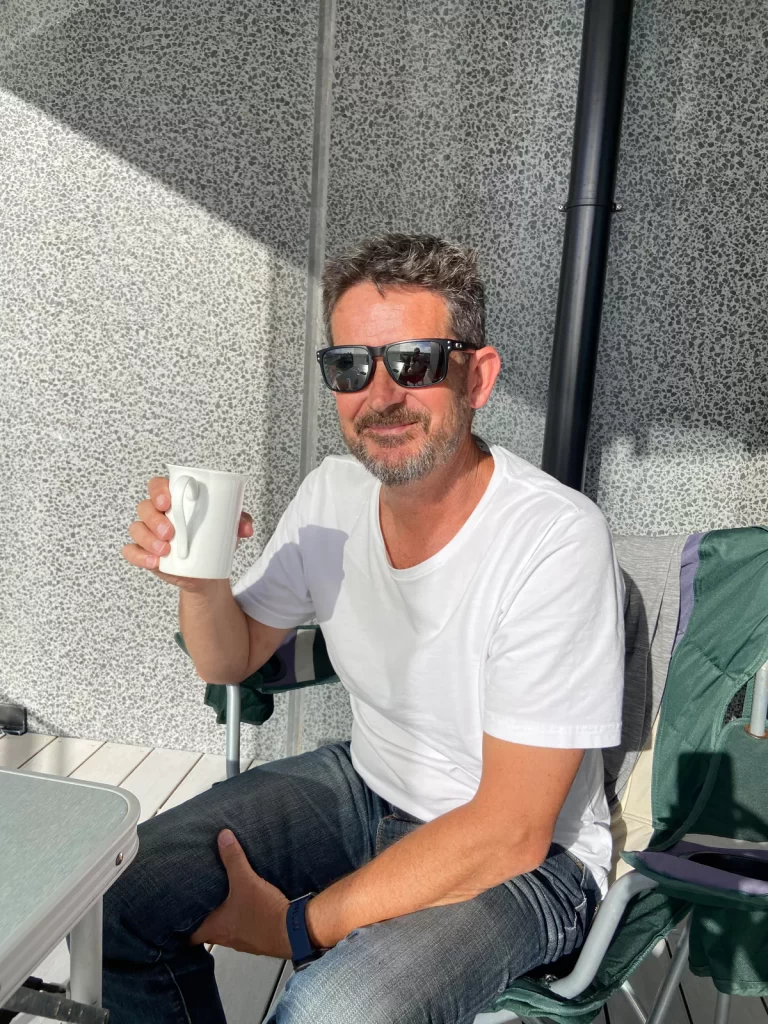
Not only a funeral director – Neil Little
From
Music has always been Neil’s passion so how did he end up becoming a funeral director?
When I headed to London at the tender age of 19 to embark on an OE, a career in funerals was the furthest thing from my mind. Music had been my main hobby growing up and could it lead to a career?
Thirty five years later, the music career hasn’t gone too well but the thirty something year career in funeral service has given me an incredible life experience. Challenging, confronting, emotional but incredibly rewarding and satisfying at the same time, having the opportunity to work with families as they navigate saying goodbye to their loved ones has been very special . So when I was due to head home from London and I expressed an interest in trying my hand at funeral service I received what turned out to be sage advice from Dad, “Why don’t you gain some experience elsewhere and see if it’s what you really want to do?” I did and it was, the rest is history.
A career in funeral service does take a lot of commitment. Growing up with a parent involved in funeral service did make me aware of how important the ability to maintain a life away from your job is important. I was aware that it was often Mum doing the drop offs, taking me to sports games and other activities. The unpredictability of funerals and being “on call” meant sometimes family has to take a back seat. It was worse growing up, “Get off the phone, your fathers on call”, I hear Mum say. No mobile phones or pagers then. Thankfully, my three daughters have never had to hear me say that and I hope I haven’t missed too much as they grew up. Technology for all it’s demands has certainly made it easier to maintain some semblance of work/life balance.
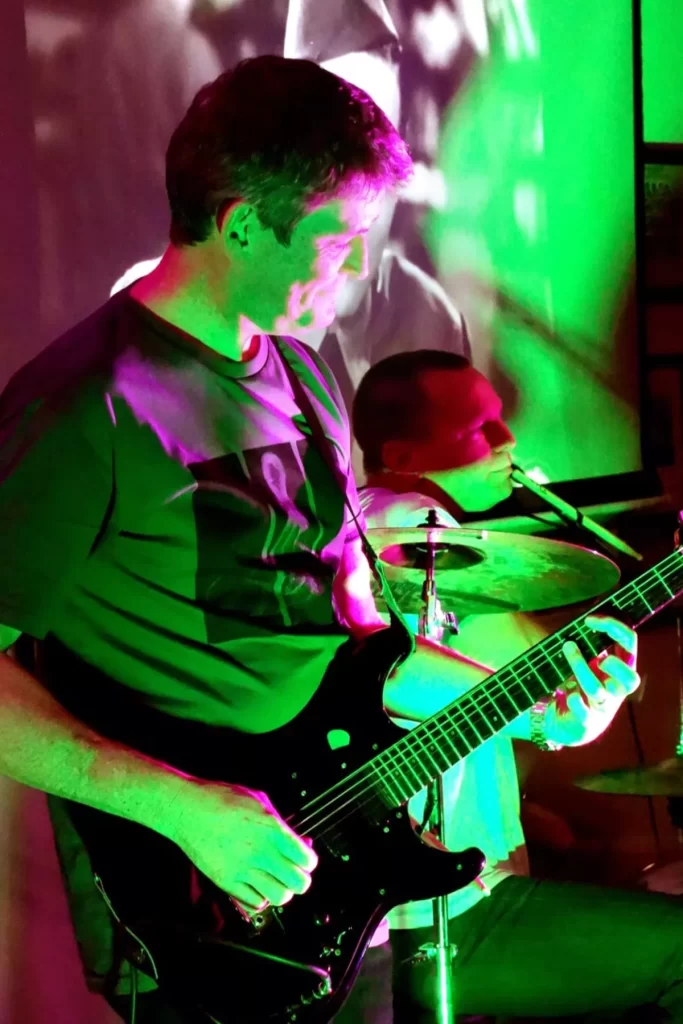
On that subject, spending time with my long suffering wife and three daughters is very important to me. We’ve been blessed to share some incredible experiences together over the years, particularly through travel and I treasure these. I’m an immensely proud husband and Dad. They’re amazing. Music is my first passion and I love nothing more than joining my four good friends in our covers band No Expectations and playing a gig for people wanting to enjoy our music and have a good time. I most enjoy going to gigs and concerts to experience the passion and emotion live music brings. It’s like nothing else. I’m an average golfer and poor fisherman but love spending time doing both of these as well.
Following family succession and an extended period of travel I am now in a governance role on the board of Davis Funerals and the wider PFP NZ Ltd group of funeral businesses. I also enjoy board roles on the The Funeral Trust, the Funeral Directors Association vehicle for preplanning and prepaying your funeral and my former school, Marcellin College. I also assist my wife Angela with a business we part own and she manages.
I’ve been fortunate to have the career I’ve had starting out as an embalmer and funeral director before taking on management of the business alongside my nephew Craig. We’ve been a great team and worked together to grow Davis from the strong foundation created by our fathers, Cliff and Cedric. They set the tone for families first, care and attention to detail that underpin everything we do. I’ve also had the privilege of serving as President of the Funeral Directors Association on NZ, my Rotary Club and as chair of our church Parish Council.
Would I do it all again? Yes I would. There are always things you wish you’d done differently but one thing’s for sure I remain immensely proud of Davis Funerals and the service it provides the community. I have sometimes referred to myself as an accidental businessman and maybe I should be back arranging funerals. I have been fortunate to work alongside a special group of people that have dedicated so much energy to making Davis the trusted firm that it is. They’re truly unique and I’m proud to call them my colleagues. So, who knows what the next chapter holds for me. We’ll see! Perhaps it’s time to write a few songs.
Not only a funeral director – Craig Little
From
Craig has spent 30 years as a funeral director but hasn’t always been one and it’s definitely not all he does!
I lived above the funeral home at 294 Dominion Rd, Mt Eden (now the Mt Eden Countdown car park) from the day I was born until I was aged seven. I was never a stranger to death from a young age, never giving it much thought either once I left school. On
leaving school I got an apprenticeship in the fashion industry as a design and pattern cutter in women’s fashion shoes, working for Morrow Taylor in Newmarket.
Once my four years of study and apprenticeship was fulfilled I headed overseas, travelling in Asia, South America, Africa and settled in the United States for a few years.
On my return to New Zealand I was asked to consider working for Davis’ in the family business. At that time my father, Cedric, and uncle, Neil had just completed building Grange Manor, replacing the old chapel up the road. This was 1991 and by 1992 I was studying how to embalm at Central Institute of Technology in Wellington. I graduated in 1993 and then studied funeral directing gaining a diploma in Funeral Service in 1995.
I have just completed 30 years in funeral service. The profession for me has become all I know; in business, guiding grieving families, and looking after our caring team of professionals.
I have had the privilege during my time as a funeral director of looking after two State Funerals, one for Sir Edmund Hilary and the other for Sir Paul Reeves. They will both remain as highlights of my career.
Today I am Managing Director of Propel Funeral Partners NZ and manage funeral homes across the country. This allows me to work with some wonderfully passionate people who are always trying to find new ways of making a farewell for a loved one a more memorable and meaningful experience.
Now that my three boys have grown into young men and with the support of my wonderful wife I have the opportunity to fulfil my passion for ocean sailing, having now sailed over 13,000 nautical miles across Asia, Europe and the Pacific. I manage to squeeze this in when time permits, however in a covid world this has become more difficult.
Honouring lives for generations
From
At present, Davis Funerals has 5 branches across Auckland but it hasn’t always been that way.
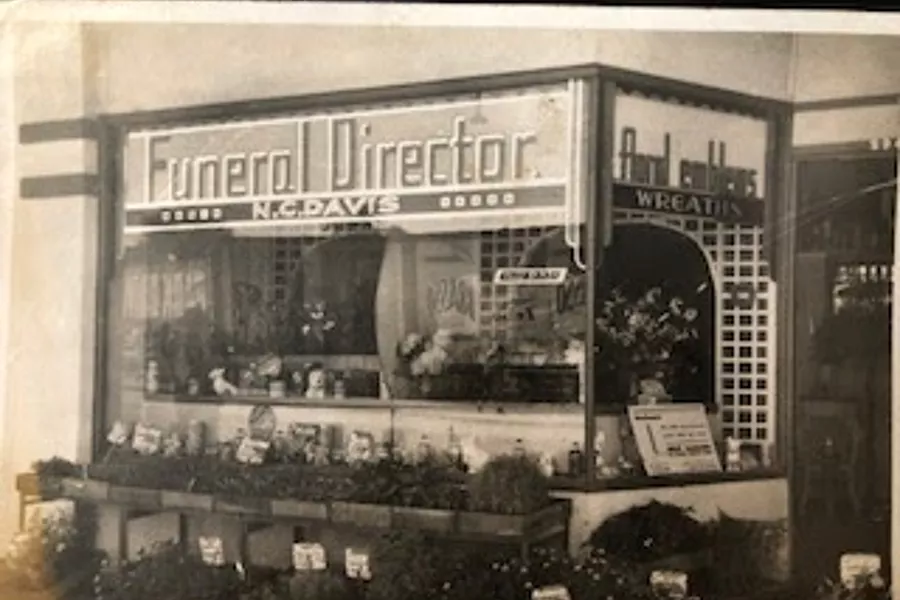
Davis Funerals was founded in the 1930s by Mr Norman Davis, who named the business N.C. Davis Ltd. Mr Davis owned the company until 1948, directing 80 funerals per year. It was at this point that Cliff Little, who was from a family funeral business established in 1875 purchased the company. After joining the family business in 1940, Cliff had decided to forge his own path in the funeral industry and with this purchase broke away from the original family business. Cliff believed that a better standard of service could be offered to families, than what they were receiving and so began the era of Davis Funeral Homes.
Cliff installed exceptionally high standards into the ethos of Davis, something which the company still prides itself on today. In 1956 Cliff’s son Cedric joined the business and in 1979 they opened a second branch in the Pakuranga area of Auckland, in the beautiful Tyrone Villa
By the 1980s Davis had become a household name in Auckland for delivering high-quality funerals and in 1988 and 1991 Neil and Craig Little joined the business continuing the family legacy. In 1990 Davis opened the Grange Manor facility, which today houses the head offices for Davis and operates as the central branch servicing all other locations Davis has.
The next expansion was into West Auckland. In 1998 Davis opened it’s Henderson location which is still considered one of the best funeral venues in Auckland. Inspired by Tuscan wineries, it has a beautiful double volume chapel and on-site crematorium. In 2014 Davis purchased Troup Funeral Home in South Auckland. In 2016 a year prior to joining Propel Funeral Partners, Davis opened its Kohimarama location, bringing the total branches for Davis to 5.

Rest in Peace, wherever you may be – Choosing between burial or cremation
From
“So what’s better – Burial or Cremation”?
Well, there’s no easy answer. It’s a very individual decision and reasons for choosing one or the other vary from family to family. It could be about religious beliefs, perhaps cost is a factor, maybe it’s a joint agreement between spouses to be together in their final resting place. Whatever the reason there are certainly some important things to consider. Let’s look at the pros and cons of both.
“Is burial the right choice for me”?
For some people the choice is easy. It may be that burial is required by your religion or family tradition, some believe it to be a more natural option. Choosing burial does provide a gravesite for family and friends to visit but with families being more spread out across the country and world these days this is not always practical for everybody. Eco burials are becoming more popular where the casket used is biodegradable or the deceased is wrapped in a shroud and placed in the plot. This can be seen as a positive for those looking for an environmentally friendly option. However, burial is generally more expensive than cremation as there is the need to purchase a burial plot or mausoleum from the cemetery as well as a digging fee.
“Or do I want to be cremated”
Cremation has become more popular in recent times, due to cost and the fact that New Zealand is fast running out of space in it’s cemeteries. There are many religions however that completely ban cremation due to traditions around death and laying loved ones to rest. For some, the idea of ‘burning’ their loved one is unsettling while others feel it a far better option than ‘decomposing’. Choosing cremation means that loved ones are left with ashes. Many families decide on a special place to scatter these, others like to keep them at home or split them between family members. There are a wide choice or urns to keep and display ashes in and cremation jewelry is fast becoming popular.
Since the choice is completely personal it’s important to talk to your loved ones about your decision so they aren’t left to decide, wondering if they’re doing the right thing. It’s a great first step in planning your funeral and an easy way to lead into further conversations about your end of life celebration.
Commemorating ANZAC Day with Pakuranga Heights School
From
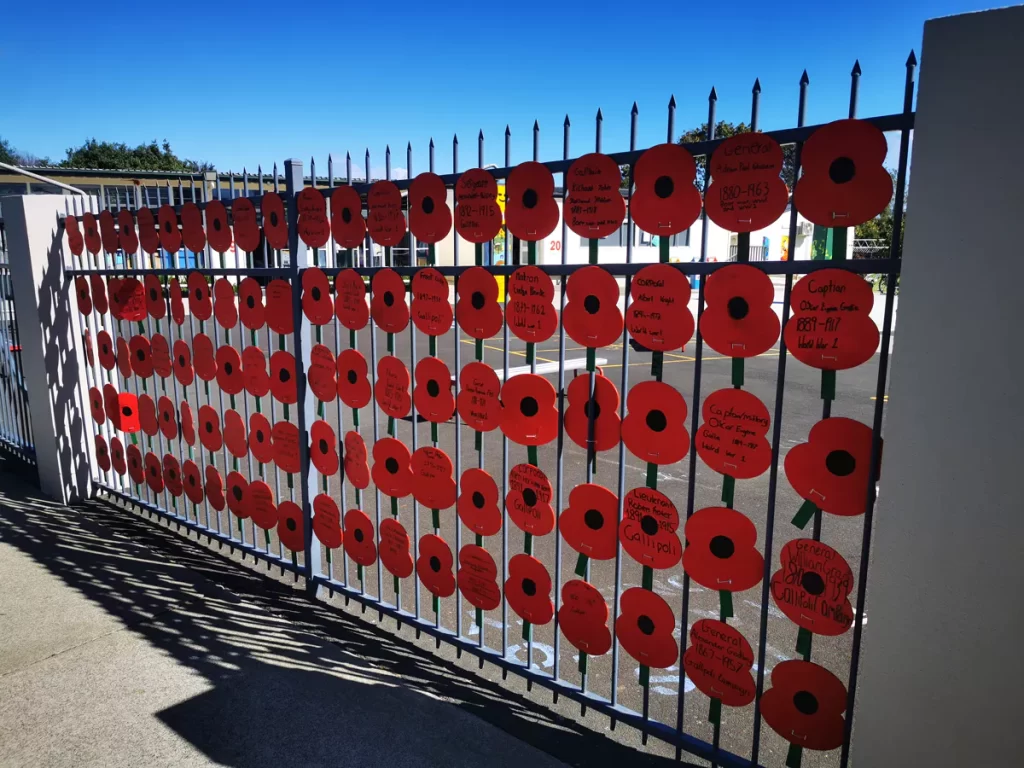
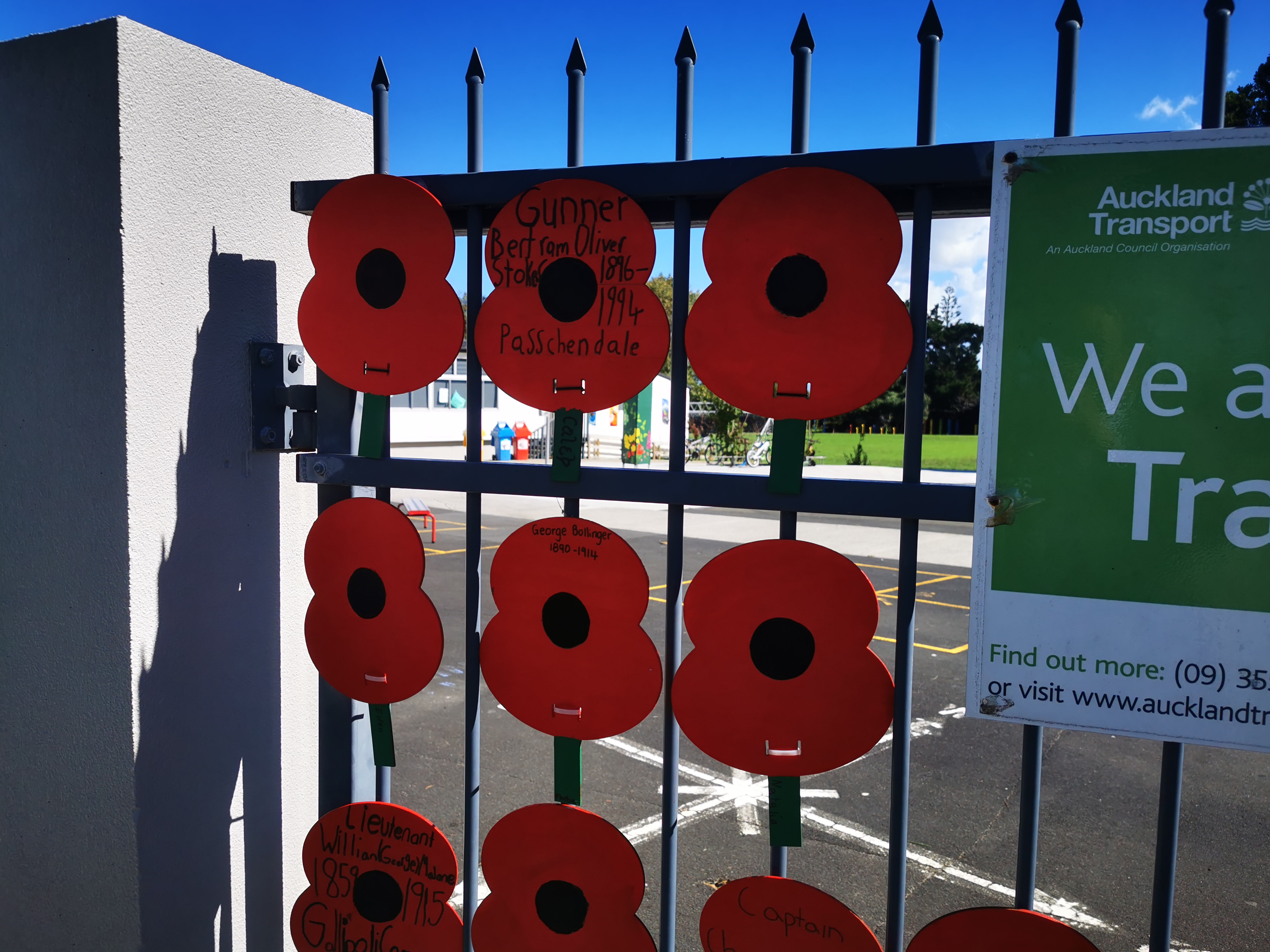
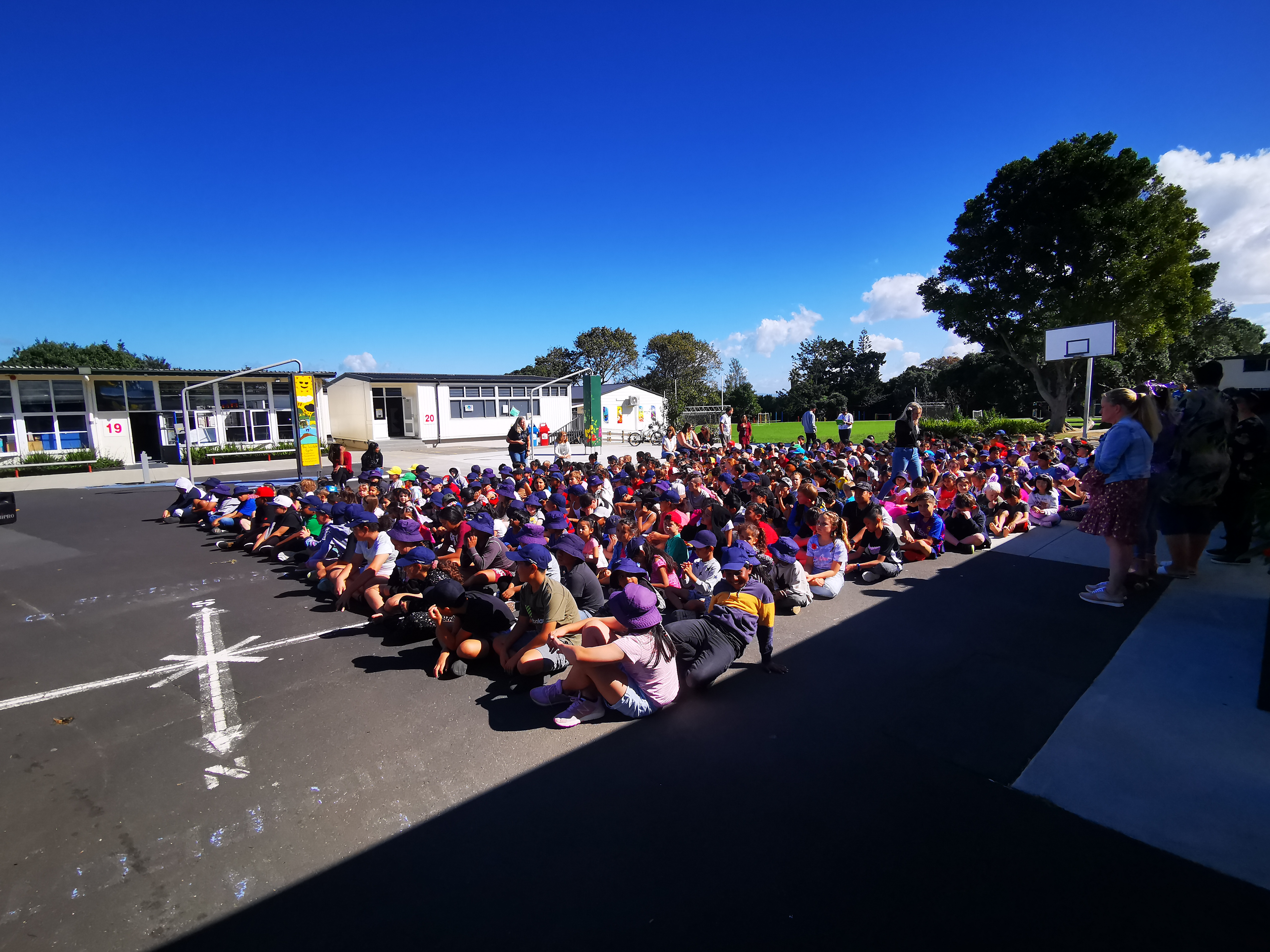
Our Pakuranga branch manager Swee-Han Lim has been working with Pakuranga Heights School in a new ANZAC Day initiative. Swee-Han supplied the school with hundreds of wooden poppies. The middle and senior students chose a war hero that they researched and wrote a biography about then painted and decorated a poppy in their name. The whole school then participated in a special remembrance service that Swee-Han and Karlene attended. The poppies look great displayed on the fences around the school.

Lost for words – how to write a eulogy
From
“Do not shed tears when I have gone but smile instead because I have lived”.
So you’ve been asked to give a eulogy. You probably feel honored, but also very nervous. You may not have delivered a eulogy before and perhaps not even spoken in front of a crowd. It can seem daunting to be charged with saying a final farewell, especially when you’re dealing with your own grief. Speaking from the heart and sharing what made the person special to you are the most important parts of writing a eulogy but there are some things you can do to make it easier to write.
“There’s so much to say, where do I start”?
Like any story you would write, you’ll need a beginning, a middle and an end. It might be a good idea to think about the people that will be listening to your speech as well as the person you’re speaking about. Your audience will want to feel you have captured the essence of the person – what makes them special and what they meant to you. Before you begin writing, decide on the tone of your speech. Will it be light-hearted or serious? Whichever way you choose to go, think about how that will be received by your audience.
You should start by introducing yourself as there may be family and friends that don’t know you. If you’re related to the deceased explain how and if you’re a friend, talk about where and when you met.This gives your speech context and lets people know where you fit into the life of the deceased.
“What does everyone want to hear”?
Write your eulogy just as you would say it. Use your normal conversational vocabulary and tone, and avoid fancy or unfamiliar language. Don’t feel compelled to turn your tribute into a poem. What is important is clearly expressing your thoughts.
A good eulogy doesn’t just tell the audience about the person – in a sense it brings the person to life in their imagination and gives them something by which to remember them. You can do this by telling stories about the person: the happy things, the funny things, the sad things, the unusual things that happened, which sum up their life. Talking about these and the enduring qualities which describe what they were really like as a person, will help you build a picture for the audience with your words.
“How much do they want to hear?”
The average eulogy is about 3-5 minutes long. That should be enough for you to give a meaningful speech about the deceased. Remember that less is more; you don’t want to try the patience of the audience during such a sad occasion.
If you intend to play a piece of music or give a reading after your eulogy, you can end by explaining why you’ve chosen it. If not, then a good way could be to end with a short sentence of farewell, maybe the very last thing you said to them – or wanted to say to them – before they died.

Meaningful Conversations – How to begin talking about pre planning a funeral
From
“Why would I bring up such a morbid subject”?
Truth be told, pre planning a funeral doesn’t have to be morbid, or sad, or awkward. It can definitely be hard to start the conversation but having the discussion about end-of-life arrangements offers the opportunity to deepen our relationship with our loved ones while we have the time. Advanced planning means your family won’t be left with difficult funeral decisions, which is the last thing you need when facing grief and stress. It also can give families peace of mind knowing the final arrangements are something that was meaningful and important to their loved one. In a way, making end-of-life arrangements is the final gift a person can give their loved ones.
“Ok, so how do I begin the conversation”?
Think about the conversation being an opportunity to share stories.. Think about where you will be physically, somewhere that you and your loved one will be able to open up and share stories, ideas and feelings. This might be in the family living room, on a walk, at a quiet table in a favourite café, anywhere familiar and comfortable for everyone. Now for the hard part, actually finding the words to start the conversation. While you will need to make the purpose of the conversation clear, there are lots of gentle ways to start it.
“What’s your happiest childhood memory”?
“What jobs have you done and what life lessons did they teach you”?
“What is your proudest achievement”?
“What’s the one piece of advice you’ve been given that you’ve never forgotten”?
“How did you meet………”
“What song sums you up”?
These kinds of questions are great conversation starters and will help to start bringing back memories. You’re bound to find out something new. Especially if you don’t usually have these kinds of talks.
You may not get everything you need in one go but at least you’ve started the conversation. Over time, you can get around to the finer details such as the type and style of funeral, whether they would like to be buried or cremated, the final resting place – cemetery or scattering of ashes, what kind of casket or urn, music and readings, even the type of hearse they would like.
It’s a good idea to keep a record of these details so that you can continue to add and change them as time goes by and new ideas spring to mind. You can download a free pre planning guide here that you can fill in and keep.
The bell has tolled – What to expect in the days ahead
From
“What do I do now”?
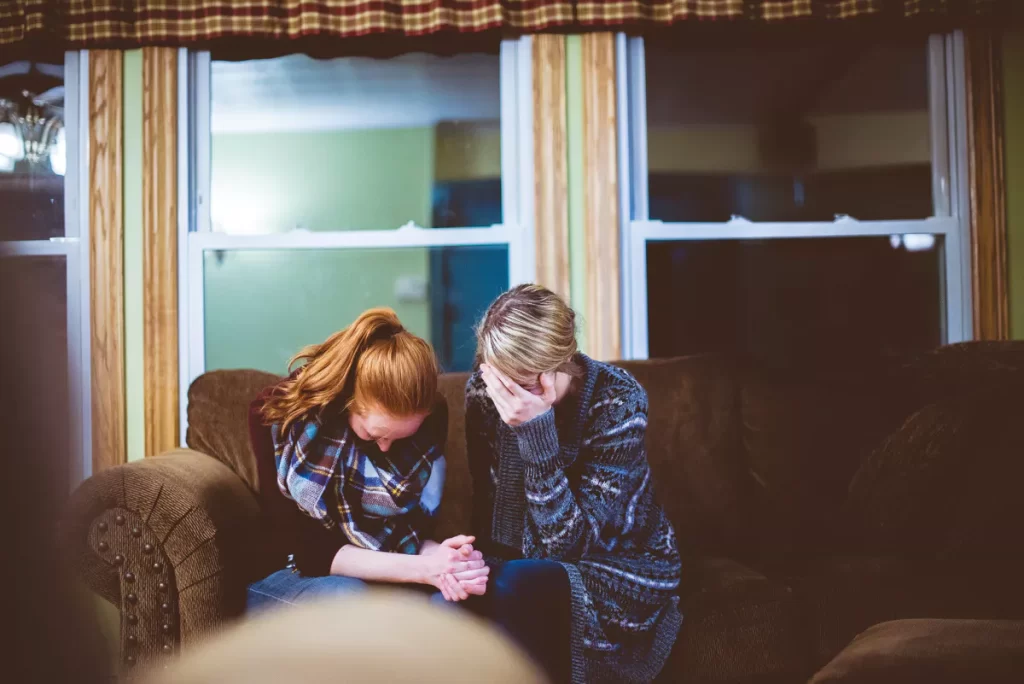
When a loved one passes, either expectedly or unexpectedly you can be left feeling overwhelmed. Especially if this is the first time you’ve had to deal with the death of somebody close to you. You may feel like there’s so much to do and so little time or completely lost as to where to start. The main thing to remember here is to SLOW DOWN. There is no rush, and there is help available to guide you through this difficult period.
“Who do I ask for help”?
It’s advisable to use a funeral director to help you through this time. A funeral director can handle all aspects of your loved one’s funeral for you, including the smallest details. They’re your adviser, organiser, administrator and supporter. You can find some information here about how to choose the right funeral director for you. https://davisfunerals.co.nz/about/news/10-questions-ask-choosing-funeral-home/
“What happens next?”
Once you have chosen a funeral director, they will take your loved one into their care and prepare them in accordance to your wishes. There are some important choices you will need to make. Don’t feel alone when you’re making these decisions. If you’re unsure or need some advice, your funeral director has travelled this journey many times with families and understands your needs and the pressures you may be experiencing. With their assistance, you will be able to arrange a meaningful farewell for your loved one. Choices you will need to think about include whether or not you would like your loved one to be embalmed, what you would like them to wear, if you would like to spend time with your loved one, did they want to be buried or cremated, the location of the service and who will lead it, the type of casket you would like for your loved one, and other details that your funeral director can help you with.
“How does this all come together”?
Your funeral director will arrange a time to meet with you and anyone else that will be part of the process. They can come to your home or you can come to the funeral home, whichever is most suitable for you. They will have with them, all the information and advice that you’ll need to make the necessary choices. You do not need to make all the decisions at once and you don’t have to make them all at this first meeting. Rest assured that your funeral director is experienced and will make sure that everything happens at a pace that is right for you and your family. They will put you in touch with a minister or celebrant (whichever you choose) who will also arrange to meet with you and discuss how you would like the service to go, and any special readings or pieces of music you would like to include.
As you make decisions, your funeral director will organise everything you require. They will also guide you through the legal requirements to ensure that there are no delays in holding the funeral.
“What happens on the day”?
On the morning of the funeral, your funeral director will call you and check on how you’re feeling and confirm that everything is in place for the day. They will transport your loved one to the venue and make sure that they and the venue are looking their best. Your funeral director will assist and coordinate the funeral service. They’ll have all mourners seated before the funeral begins, hand out service sheets and ensure music and presentations run smoothly.
At the end of the service, your funeral director will either lead out your loved one’s casket followed directly by the immediate family or, if the casket is not being carried from the funeral venue, they will invite the immediate family to pay their respects before exiting.
If you’re not travelling to the crematorium or cemetery, the farewell will generally be at the funeral service venue. It can be inside the funeral venue or at the hearse, and mourners could be offered a flower to place on your loved one’s casket as a final goodbye gesture.
If the funeral service is going to be followed by a burial or committal service at another location, your funeral director will discuss the most appropriate departure time with you.
When the hearse departs, it will drive away at a sedate pace with its headlights on. Following cars should do the same.
“Now what”?
There are a range of feelings that people have after the funeral some feel relief while for others the reality of the loss now becomes apparent. However you feel, rest assured it is normal and natural. Davis Funerals offer a complimentary bereavement care programme through The Grief Centre. In the weeks following the funeral, you will receive a letter telling you about the programme and how you and your family can receive support. If you feel you need to talk to someone sooner, you can talk to your funeral director and they will put you in touch with The Grief Centre.
Once your funeral director receives your loved ones death certificate, they will be in touch with you to arrange delivery of this. If your loved one was cremated, they will also arrange delivery or pick up of their ashes once you feel ready.
If you would like more information please feel free to contact us on 09 638 9026 or head to our website Davis Funerals

When someone you know becomes someone you knew – Understanding your grief
From
“What is grief”?
Grief is the normal human process that happens after any kind of difficult change or loss. It’s the way we gradually adjust our life to the reality of what’s happened and become able to move forward again. Grief involves the mix of thoughts, feelings and reactions we experience. It affects us more than we often realise. Grief reactions can be emotional, mental, physical, social or spiritual.
“What’s trauma then”?
Grief and trauma are often experienced at the same time – a double impact. Any experiences in which you felt your safety, or that of others, was threatened, or that leaves you feeling emotionally overwhelmed or highly anxious is considered traumatic. Grief centres on sadness and loss, but Trauma centres on fear and is felt as a threat to safety. It also takes time for the impact of trauma to ease.
“OK so I’m grieving, what can I do”?
The following 10 factors help to build your resilience, so we can cope as well as possible in times of adversity.
- Look after yourself
- Use your support circle
- Use your sense of humour
- Keep flexible and adaptable
- Use the life skills you’ve learned
- Believe in yourself
- Know what you’re good at and use those things
- Think creatively, see things differently, try new things
- Keep a positive outlook and attitude – be hopeful
- Persevere – keep trying!
“How can I support other people who are grieving?
A person’s grief is as unique as their fingerprint, we all grieve differently. Sometimes people don’t even know they’re grieving. There are no rules or timetable, it’s not a competition and there is no pass or fail. It takes time and it’s totally normal. Some things to keep in mind when supporting someone who is grieving are:
- Really listen
- Shared silence is OK sometimes
- Don’t judge them – accept them
- Give them time
- Don’t assume you know exactly how they feel
- Encourage and include them
- Be there in an ongoing way – offer support but then also follow through
- Help them find information and extra help if needed.
“Grief is not a state but a process like a walk in a winding valley with a new prospect at every bend” – C.S Lewis

10 questions to ask before choosing a funeral home
From
Choosing the right funeral director for you and your family will make the process of arranging the funeral less stressful and ensure that your loved one gets the service they deserve. Here, we look at 10 questions to ask before you make a decision.
Is someone available 24/7?
Because you never know when you may need help, it’s important to check that a Funeral Director keeps non-standard hours. Ideally, phones should be answered 24/7.
Are you a member of the Funeral Directors Association of New Zealand (FDANZ)?
Members of the FDANZ are professionals committed to ensuring that the families they serve receive high quality service. FDANZ members must adhere to strict criteria, including codes of ethics and conduct, mandatory ongoing training, and nationally recognised qualifications. By choosing a FDANZ member, you’ll be reassured that they have high quality standards and the very best in service and care.
Are your funeral directors qualified?
By choosing formally trained Funeral Directors, with ongoing training requirements, you’ll know their knowledge and understanding of grief care, best practice and law changes is always up to date.
Where is your care facility located?
Understand where the Funeral Director’s care facility (or mortuary) is. This is where your loved one will be cared for (and possibly embalmed, if that’s what you choose) and where you can spend time with them. Ideally, it should be conveniently located with plenty of free parking available or good public transport links.
Do you charge to keep my loved one’s body or ashes?
A Funeral Director should not charge extra to keep your loved one’s body, even if there is a delay between them passing and the day of their funeral. Additionally, if they’ve been cremated and you haven’t decided upon their final resting place, a Funeral Director should keep their ashes until you’re ready and at no extra charge.
Do you have your own crematorium?
If the duty of care of your loved one is a priority for you, you might want to consider a funeral home with their own crematorium. Your funeral home will be able to care for your loved one from beginning to end if they own their own crematorium.
Are your embalmers qualified?
Choosing a Funeral Director that employs their own embalmers ensures that the Funeral Director’s high standards of care and service will be delivered by all their staff, including embalmers. Being qualified means that embalmers have undergone rigorous training, and their skills and experience have been formally recognised. It also ensures that their knowledge of best practice
and care is up-to-date.
Can you provide non-conventional funeral services?
If you’d like a different type of funeral, check the prospective Funeral Director’s experience of providing non-conventional funerals.
This includes services held in family homes or outdoors, or non-religious services led by family members or celebrants.
What efforts have your business made to be environmentally friendly?
If you’re environmentally-conscious, you might like to ask about the environmental impact of your loved one’s funeral. This could include asking if the company has any environmental programs in place and if their caskets and urns are made from sustainable resources.
Do you have your own design team for service sheets?
An in-house team of qualified graphic designers means you’ll receive beautiful and completely personalised service sheets that you can keep and cherish. They can also create professional photo tributes to play at the service to create a fitting memorial, at a time when it may be too difficult to do yourself.

3rd Annual Davis Classic
From
New date confirmed for the Davis Classic 2021
In 2020 we beat lockdown by a week, this year, it’s beaten us by a week, not once but twice! With the current uncertainty in Auckland surrounding Covid-19 lockdowns and alert levels, we feel that at this stage, canceling the 2021 Davis Classic is the responsible thing to do. We are currently at alert level 2 which prevents gatherings of more than 100 and it’s uncertain if the Prime Minister’s announcement on Friday will bring us down to level 1 by Sunday the 14th. We are however committed to running the event this year to ensure we can provide some fundraising and support for the great work Hospice do. We hope that towards Spring we’ll be able to announce a new date.
We understand the disappointment this may bring but our main concern is the safety of our community and for this reason we regret to inform that the show will not go ahead on Sunday the 14th of March.
This year, we have even more happening! As well as the beautiful cars and trucks to look at, we have a family area in our back garden with face painters and a bouncy castle. There’ll be food trucks and an eating area, a street magician, roaming MC, a fantastic spot prize as well as the opportunity to vote for your favourite vehicle in the people’s choice awards. This event is FREE to attend and any funds raised through attractions and donations will be given to West Auckland Hospice. It’s also free to show your car. The first 50 vehicles registered will be provided with premium parking spots and the first 100 registrations will receive a show bag containing a T Shirt, car care product from Bowden’s Own, voucher to spend at any of the food trucks, water and other goodies.
We now also have plenty of free parking for those coming along but not showing a car. Parking is situated down the drive way opposite Soljan Dr, it will be well sign posted and there will somebody there to direct you.
If you would like to register a vehicle click the link here https://fb.me/by94boaIc1hQdF
Watch the video above of last year’s show to see what a great day out it is.